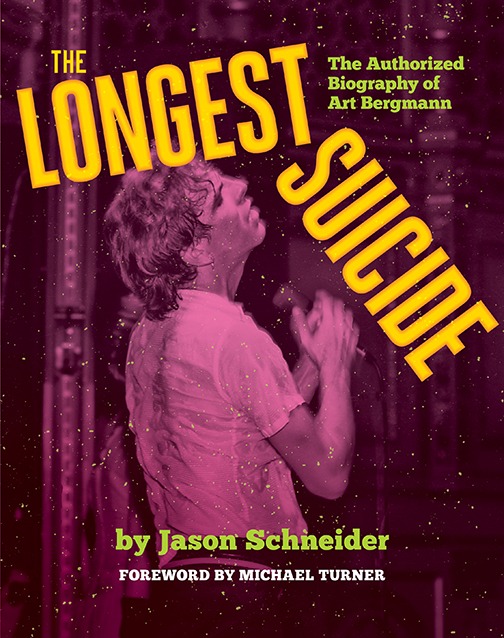
Jason Schneider is the author of four non-fiction books and two novels. He has been writing about (mainly) music since 1994, with his work appearing regularly in Exclaim!, Paste, Shindig, The Globe & Mail, the Toronto Star, and many other outlets. He currently resides in his hometown, Kitchener, Ontario, where he runs a music PR company.
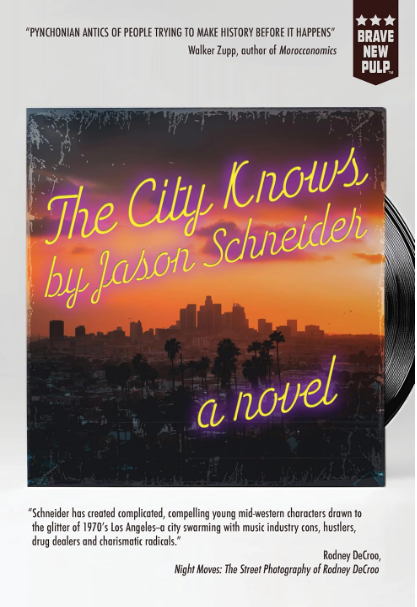
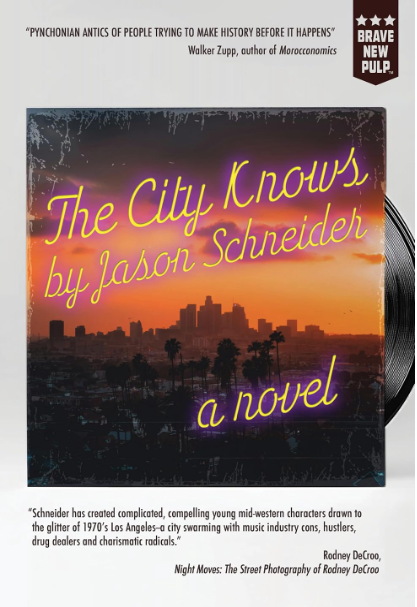
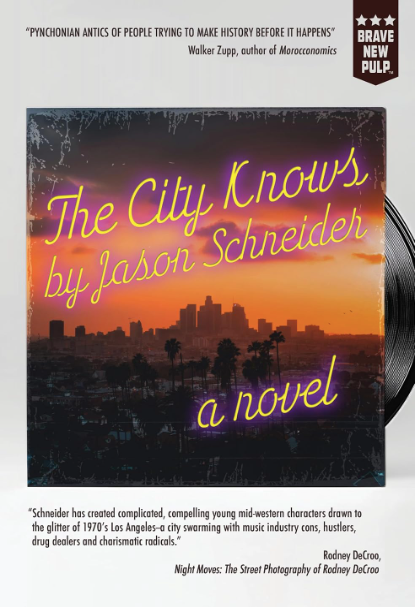
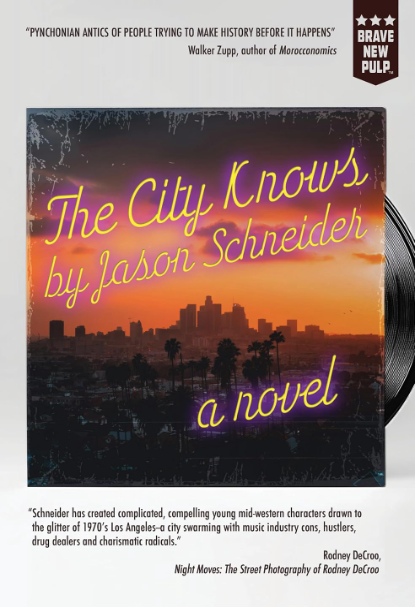
The City Knows: A Novel (2025, Montag Press)
No matter how well secrets are kept, the city knows
At the turn of the 1970s, two friends set out from Ohio to Los Angeles. Will is a songwriter seeking to follow in the footsteps of his idols. Alex has no plan apart from riding his friend’s coattails to some kind of fame on his own. Will is focused and determined, but carries the burden of mental illness that often overwhelms him. It’s compounded by the secret he can't share about the source of his songs.
Alex attempts to break into movies, but finds his only means of survival is to supply high profile figures within the industry with drugs. As Alex’s associations begin to lead him into darker and more dangerous territory, Will's career begins to take off, causing their lifelong relationship to fracture. Both soon find themselves in over their heads in their respective situations—and romantic relationships. In Alex’s case, he becomes involved with Jessy, who has deep ties to L.A.’s Black Panther leadership, and attempts to use Alex’s movie industry connections to further the cause. All of this leads to Will and Alex being forced to make choices that will ultimately seal their individual fates.
Will Mosley / Angel Of Avalon
This is NOT AI generated music
Jason Schneider's The City Knows: A Novel (Montag Press) tells the story of tormented singer/songwriter Will Mosley who, with his friend Alex, moves from the Midwest to L.A. in the early '70s to take his shot in the music scene. Angel Of Avalon is the book's companion piece, Will Mosley's legendary lost album performed by some of Canada's top Americana musicians.
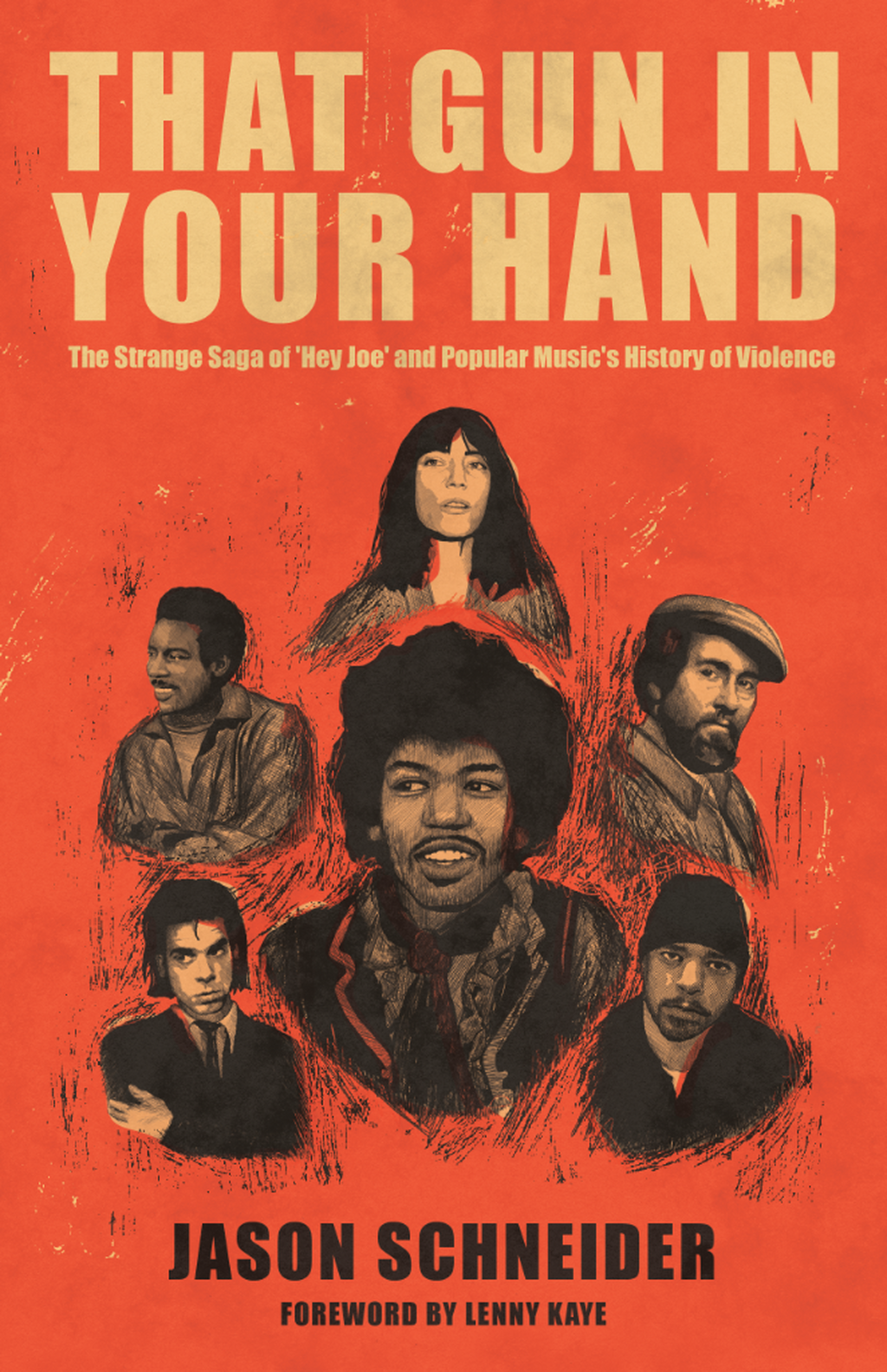
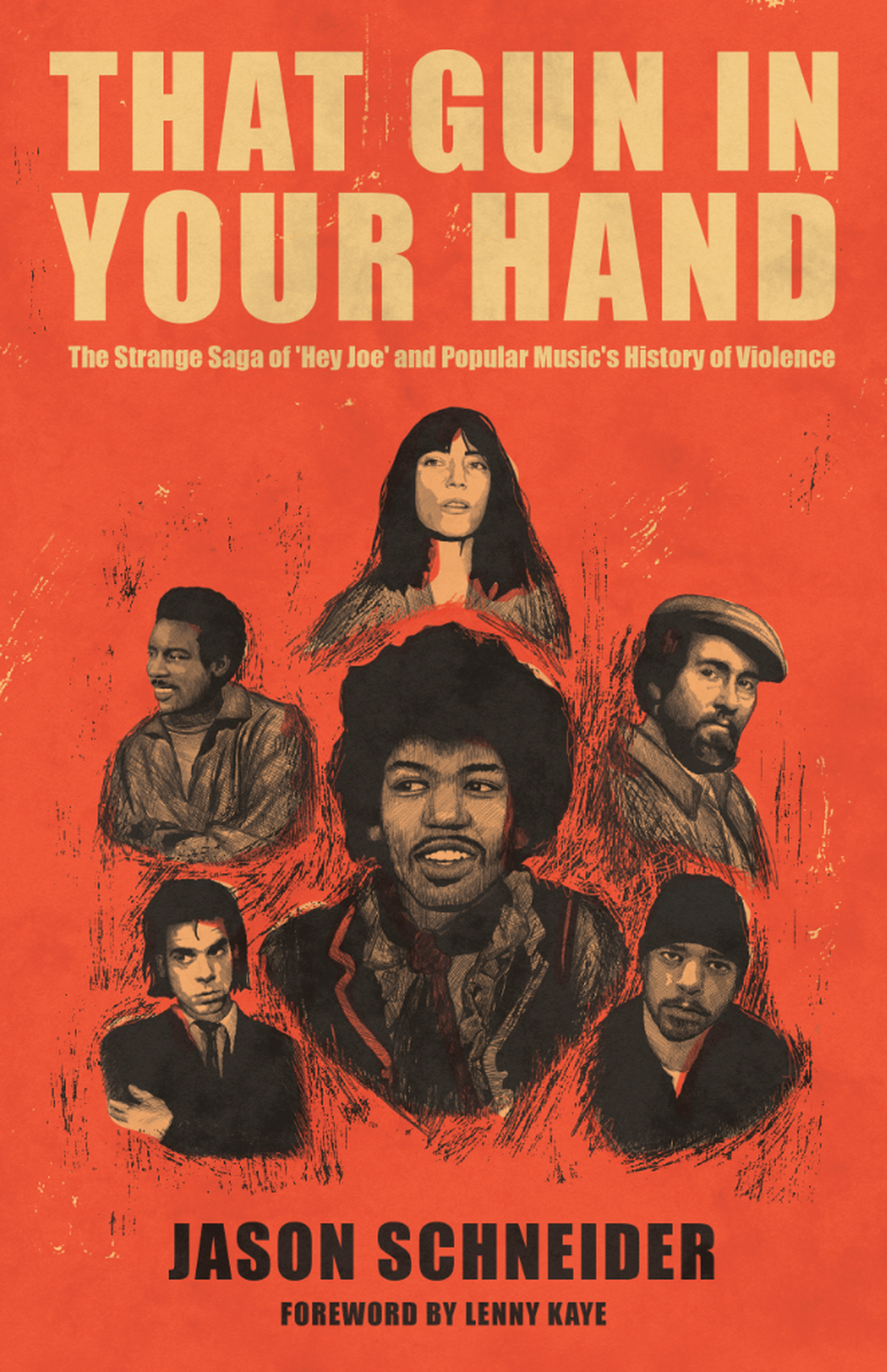
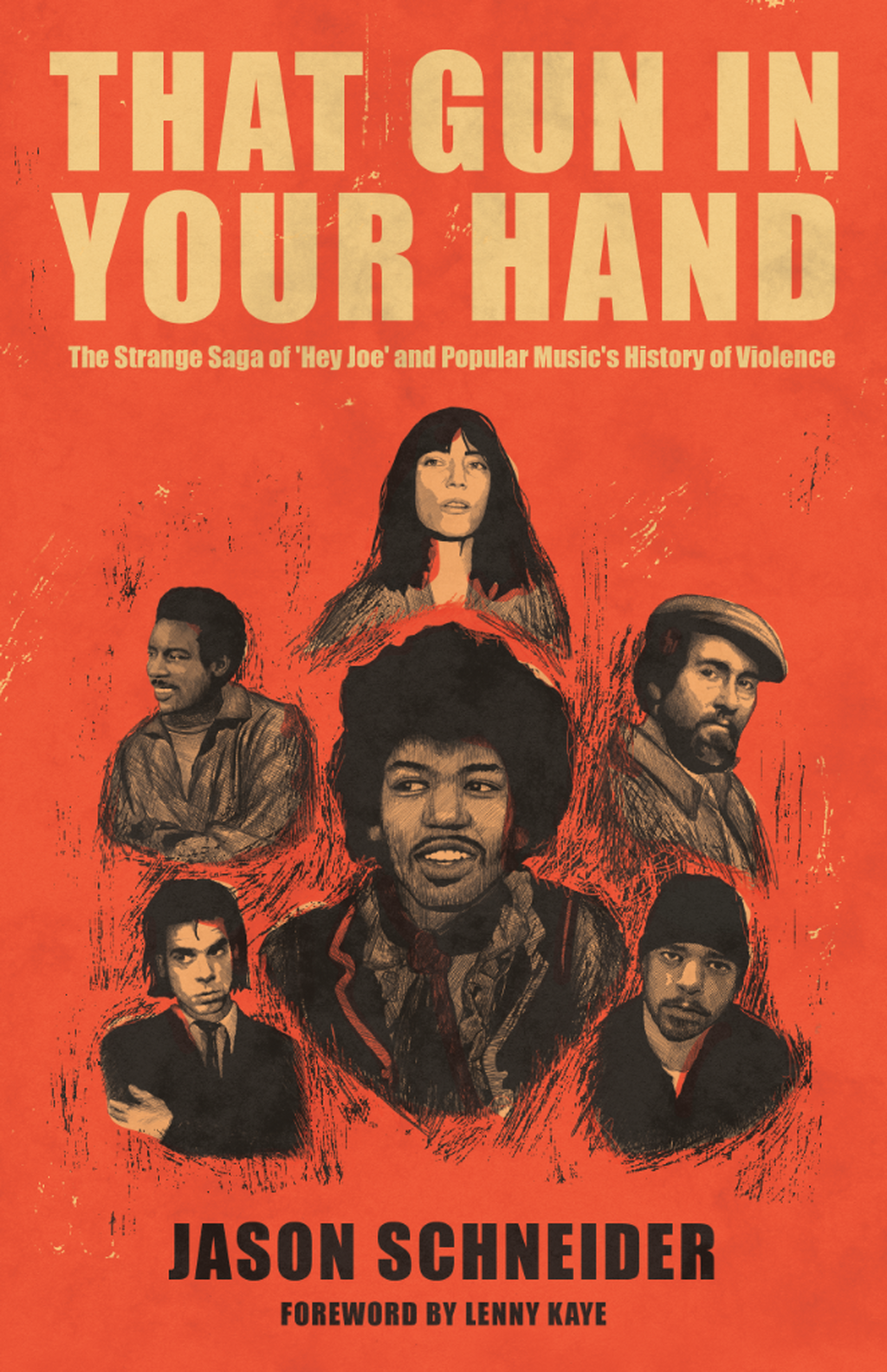
That Gun In Your Hand: the Strange Saga of 'Hey Joe' and Popular Music's History of Violence (2025, Anvil Press)
This is the story of a song, a song that binds nearly every strand of 20th century American popular music. “Hey Joe” was written at the dawn of the 1960s by a man named Billy Roberts, an obscure singer and guitarist from South Carolina who moved to New York City, drawn by the burgeoning folk music scene in Greenwich Village. It was a time when new, original material was scarce, leading other singers to quickly adapt songs of quality in the spirit of folk music’s oral traditions. Thus began the long journey of “Hey Joe” from New York coffeehouses to the bars on L.A.’s Sunset Strip to the ears of a young guitarist named Jimi Hendrix who launched his career with his radical, electrified interpretation.
The book is divided into two parts: The first part traces “Hey Joe”’s origins back to traditional murder ballads, up to Hendrix’s definitive recording. The second part examines the song’s evolution following Hendrix’s death, from Patti Smith’s proto-punk version, to its impact on soul music through Wilson Pickett and Lee Moses, to becoming a template for outlaw reggae and gangsta rap, and up to the present through post-punk versions by Nick Cave and Charlotte Gainsbourg. Through extensive research, That Gun In Your Hand also presents previously unpublished information about the shadowy life of Billy Roberts, whose 2017 death went unreported by all news outlets. Interviewees include Niela Miller, Roberts’s Greenwich Village girlfriend, whose song “Baby Please Don’t Go To Town”—it has been argued—formed the basis for “Hey Joe.”
Although other songs similarly updated themes found in early American blues, folk and country in the rock and roll era, “Hey Joe” offered something different, a visceral drama in which a man describes how he shot his unfaithful lover to death and intended to get away with it. By abandoning the standard techniques of pop songwriting—both lyrically and melodically—“Hey Joe” resonated profoundly with seemingly all who heard it.
From this foundation, That Gun In Your Hand goes on to explore 20th century popular music’s inherent misogyny and racism, along with how “Hey Joe” transcended its form, becoming in many ways the first popular song to unrepentantly encompass humanity’s dark, violent realities.