How Seasonal Changes Affect Your Indoor Air Quality in Utah
For many residents in the Beehive State, the beauty of our changing seasons is undeniable. From the crisp, snow-capped peaks of a Wasatch winter to the vibrant blooms of a high-desert spring, Utah offers a dynamic landscape. However, these shifts in weather patterns do more than just change the scenery; they significantly alter the environment inside your home. Many homeowners are surprised to learn that indoor air can sometimes be two to five times more polluted than the air outside, especially when our local climate forces us to seal our homes tightly against the elements. Understanding how Utah’s unique weather affects your living space is the first step toward reclaiming a healthier, more comfortable environment.
The Winter Inversion and the "Sealed Envelope" Effect
Utah is famous for its winter temperature inversions, a phenomenon where a layer of warm air traps cold, dense air near the valley floor. Because our mountains act as a natural barrier, this trapped air also holds onto pollutants from vehicle exhaust, industry, and residential heating. While this is an outdoor reality, it quickly becomes an indoor problem.
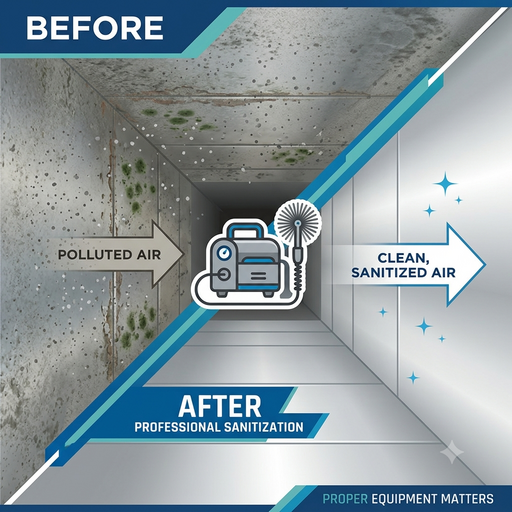
During these cold months, we naturally seal our homes to conserve heat and keep out the biting frost. This creates a "sealed envelope" effect. While energy efficiency is a great goal, it means that fresh air exchange drops to near zero. Any contaminants already present—such as dust, pet dander, or cleaning chemical fumes—have nowhere to go. They circulate in a closed loop, forced through your HVAC system over and over again. As the furnace runs almost constantly, it stirs up settled particles from carpets and upholstery, depositing them back into the air you breathe. Professional air duct cleaning Salt Lake City services can help mitigate this by removing years of accumulated debris that would otherwise be pushed back into your living spaces during these long winter cycles.
Spring Allergies and the Persistence of Pollen
As the frost melts and the valley begins to green, Utah residents face a new set of challenges. Spring brings a surge of tree and grass pollen, which can infiltrate even the most well-sealed homes. In a dry climate like ours, pollen particles remain airborne longer than in humid regions. If you are prone to seasonal allergies, your home should be a sanctuary, but without proper precautions, it can easily become a storage unit for these irritants.
When the temperature rises, it is tempting to open windows to enjoy the breeze, but this often serves as an invitation for pollen to settle on every surface. Once inside, these allergens cling to fabrics, curtains, and carpets. The Environmental Protection Agency (EPA) defines indoor air pollutants as a wide range of biological and chemical contaminants that can cause health issues, and springtime allergens are a primary contributor to indoor discomfort during the warmer months. By maintaining a strict cleaning schedule and using high-efficiency filters, you can prevent these outdoor nuisances from becoming permanent indoor guests.
Summer Heat and the Threat of Wildfire Smoke
Summer in Utah brings its own unique set of atmospheric stressors. Aside from the high heat, wildfire season has become a recurring concern across the western United States. Smoke particles are exceptionally fine—often classified as $PM_{2.5}$—meaning they are small enough to bypass standard filtration and penetrate deep into your lungs.
During smoke events, the quality of your indoor air depends heavily on your home’s ability to filter recirculated air. According to recent reporting from Google News, wildfire smoke is increasingly impacting air quality across the entire region, regardless of how far the fires are from your specific location. When air quality alerts are issued, keeping your windows shut is only the first step. You must also ensure your HVAC system is equipped with the right level of filtration, such as a high-MERV rated pleated filter, to catch these microscopic smoke particles. For those living in areas with diverse terrain and specific ventilation needs, local maintenance like air duct cleaning Spanish Fork ensures that your system remains efficient enough to handle the increased strain that summer air filtration demands.
Maintaining a Healthy Indoor Climate Year-Round
Regardless of the season, maintaining clean air in your home requires a proactive strategy. It is not enough to simply react when you feel stuffy or see dust buildup. A consistent approach involves three main pillars: ventilation management, humidity control, and regular filtration maintenance.
Humidity is a particularly tricky factor in Utah. Our air is naturally dry, leading many to use whole-home humidifiers. However, if the humidity levels rise too high—usually above 50%—you create the perfect breeding ground for mold and dust mites. Conversely, if it drops too low, you deal with static electricity and dry, irritated airways. Keeping your humidity between 30% and 50% is the ideal "sweet spot" for balancing comfort and air purity. Furthermore, always run exhaust fans in bathrooms and kitchens during and after use to pull out moisture and cooking fumes before they have a chance to permeate your home’s air.
Conclusion
Utah’s climate is as beautiful as it is challenging. From the stagnant, polluted air of a winter inversion to the pervasive pollen of spring and the smoke of summer, the external environment constantly tries to breach your home’s defenses. However, by understanding these seasonal shifts and taking intentional steps to maintain your HVAC system, manage your home’s humidity, and filter your indoor air, you can ensure that your home remains a safe haven for you and your family.
Take Action Today: Don’t wait for the next inversion or wildfire season to check your air quality. Start by inspecting your HVAC filter this week; if it looks gray or clogged, replace it immediately with a high-quality pleated filter. For long-term peace of mind, schedule a professional air duct inspection to identify any hidden build-up that your filters might be missing. Take control of the air you breathe—your health depends on it.